
Pool Winterization Checklist: How to Close an Inground Pool for Winter
Proper pool winterization involves more than putting on a cover and waiting for spring. A professional inground pool closing typically includes preparing the water, winterizing plumbing lines, protecting pumps and equipment, adding winterizing products, and securing the pool cover. In the Chicago area, these steps are especially important for protecting your pool from freezing temperatures.
If you’re wondering how to close an inground pool correctly, it helps to understand what actually happens during the process. Every pool is different, but the goal is the same: protect the pool, plumbing, and equipment throughout winter while making next spring’s opening as straightforward as possible.
What Does Professional Pool Winterization Include?
A typical professional pool closing follows several important steps. The exact process can vary depending on your pool, equipment, attached features, and cover, but most inground pool winterization includes:
- Prepare and balance the pool water
- Clean the pool and remove debris
- Lower the water level when appropriate
- Winterize and protect plumbing lines
- Prepare pumps, filters, heaters, and other equipment
- Add appropriate winterizing products
- Remove or secure seasonal accessories
- Install and secure the winter cover
Skipping one of these steps can leave part of the pool vulnerable during months of freezing temperatures.
Step 1: Prepare the Pool Water
Good winterization starts with the water itself.
Before closing, the pool should be in good condition rather than cloudy, green, or filled with debris. Water chemistry should be checked and adjusted as appropriate before the circulation system is shut down for the season.
Why does this matter?
Once the pool is closed, you won’t be maintaining it the same way you do during swimming season. Starting with properly prepared water gives you a better chance of finding manageable water conditions when the cover comes off in spring.
Timing matters here, too. In Chicagoland, a useful guideline is to wait until the pool water is consistently below 55°F before closing. Colder water slows algae activity and can reduce the likelihood of opening to a green pool.
Step 2: Clean the Pool Before Closing
Winter is not going to make leaves, dirt, or algae disappear.
Before the cover goes on, debris should be removed from the pool and the overall condition of the water should be addressed.
This is particularly important during an Illinois fall, when leaves can quickly collect in and around a pool. Covering a dirty pool means that material can remain in the water for months.
Starting clean makes spring easier.
Step 3: Adjust the Water Level When Needed
Depending on the type of pool, cover, skimmer setup, and winterization method, the water level may need to be adjusted before closing.
There is no universal water level that is correct for every inground pool. Draining too much water can create its own problems, which is why Orland Park homeowners should follow the appropriate procedure for their specific pool and cover system.
A professional pool closing takes those details into account rather than applying the exact same process to every backyard.
Step 4: Winterize the Plumbing Lines
This is one of the most important parts of pool winterization in the Chicago area.
Water expands when it freezes. If water is left inside pool plumbing during extended freezing temperatures, that expansion can potentially crack pipes or damage other parts of the system.
Winterizing the plumbing involves removing water from the appropriate lines and protecting them according to the pool’s configuration and winterization requirements.
Skimmers, returns, attached spas, water features, and other plumbing can add complexity to this process.
This is also one of the biggest reasons homeowners choose professional pool closing service. A pool can look perfectly winterized from above while vulnerable water remains somewhere in the plumbing system.
Step 5: Prepare the Pool Equipment for Winter
Your plumbing isn’t the only part of the system that needs protection.
Pumps, filters, heaters, chlorination systems, and other equipment may all require specific winterization procedures.
Water needs to be removed from components where freezing could cause damage, and equipment should be prepared according to manufacturer recommendations and the design of the system.
If your pool has additional features such as automation, a heater, attached spa, or water features, there may be additional steps involved.
Professional winterization should account for the complete system, not just the pool itself.
Step 6: Add the Appropriate Winterizing Products
Winterizing products can help maintain water quality while the pool is closed.
The exact products and amounts needed depend on the pool and its water chemistry. More isn’t automatically better. The goal is to leave the water properly prepared for the months ahead.
It’s also important to remember that winterizing chemicals aren’t a substitute for correct closing procedures.
Chemicals cannot protect a plumbing line filled with water from freezing. A successful closing combines water preparation with proper mechanical winterization.
Step 7: Remove or Secure Pool Accessories
Before covering the pool, seasonal accessories may need to be removed, cleaned, stored, or secured.
That can include items such as ladders and other removable equipment. What needs to come out depends on the design of your pool and the type of cover being installed.
This is also a good opportunity to inspect accessories for wear so you’re not discovering problems for the first time when you reopen the pool.
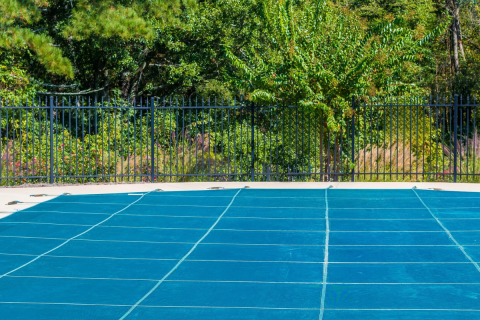
Step 8: Install and Secure the Pool Cover
The final visible step is installing the winter cover.
A properly installed cover helps keep leaves, branches, and other debris out of the pool while protecting the closed pool throughout the off-season.
The type of cover affects how it should be installed and maintained. Regardless of the style, it should be properly positioned and secured for winter conditions.
Once the cover is on, the pool may look finished for the year, but all of the preparation underneath it is what really determines whether the closing was done correctly.
Learn more about professional pool closing services from All Seasons Pools & Spas if you’d rather have an experienced team handle the winterization process.
Why Is Professional Pool Winterization Important in Illinois?
Chicago-area winters make proper winterization particularly important.
The biggest concern is freezing. Even a relatively small amount of water left in the wrong place can become a problem when temperatures stay below freezing.
Professional service also provides another set of eyes on your pool and equipment before everything is shut down for several months. If something looks unusual, it’s better to identify it during closing than discover a surprise when opening the pool next year.
A thorough closing can also make spring easier. Starting with properly prepared water, protected equipment, winterized lines, and a secure cover puts you in a much better position when swimming season returns.
Can I Close My Inground Pool Myself?
Some experienced pool owners do handle their own winterization, but it’s important to understand the risks before deciding.
Routine maintenance and complete winterization are very different jobs.
Closing requires an understanding of your pool’s plumbing configuration, equipment, water levels, and winter protection requirements. Missing a line or incorrectly preparing a piece of equipment can potentially lead to freeze damage.
If you aren’t completely comfortable with the process, professional winterization can be worthwhile, particularly in a climate where extended freezing temperatures are normal.
How Do You Know If Your Pool Was Closed Properly?
From the surface, it can be difficult to tell.
A clean pool with a neatly installed cover may look properly winterized, but the most important work often happens in the plumbing and equipment.
A thorough closing should account for the water, lines, pump, filter, heater and other installed equipment, along with the pool cover itself.
This is why simply putting a cover over the pool isn’t the same as winterizing it.
Frequently Asked Questions About Pool Winterization
When should I winterize my pool in the Chicago area?
A good guideline is to wait until the pool water is consistently below 55°F while still completing the closing before freezing weather arrives. September and October are common closing months, but actual temperatures should guide your timing.
Can I close my pool myself?
You can, provided you understand your pool’s plumbing and equipment and have the proper tools and knowledge. Because mistakes can potentially lead to freeze damage, many Chicago-area homeowners prefer professional winterization.
What happens if pool lines aren’t properly winterized?
Water left inside plumbing can freeze and expand during cold weather. This can potentially crack pipes, fittings, or other components and may result in repairs when the pool is reopened.
Do I need to add chemicals when closing my pool?
Water should be properly prepared before closing, and winterizing products may be used depending on the pool’s needs. Chemicals are only one part of the process and do not replace mechanical winterization of plumbing and equipment.
Does professional pool closing make spring opening easier?
It can. Properly prepared water, protected equipment, winterized plumbing, and a secure cover can help reduce the problems you’ll need to address when the pool is reopened.
Protect Your Pool Before Freezing Weather Arrives
Proper pool winterization is ultimately about protecting the investment you already have.
Cleaning and preparing the water matters, but the work you can’t see is just as important. Plumbing lines, pumps, filters, heaters, and other equipment all need to be considered before Chicago’s freezing temperatures arrive.
If you’d rather leave the checklist to an experienced local team, All Seasons Pools & Spas can handle the process and help prepare your inground pool for the months ahead.
Book Your Pool Closing before the fall schedule fills up.
If you’re wondering when to close your pool in the Chicago area, temperature matters more than a specific date. A good rule is to close once your…

Pool renovations are one of the most effective ways to completely transform your backyard without starting from scratch. If your pool is…