
When to Replace a Pool Liner: 5 Warning Signs and Why Winter Is the Best Time to Plan
Knowing when to replace a pool liner can help you avoid leaks, water loss, and unexpected repairs when swimming season returns. Most inground vinyl liners last approximately 8 to 12 years, although their lifespan varies. Common warning signs include fading, wrinkles, brittleness, tears, and unexplained water loss. Fall and winter are ideal times to plan a replacement before spring schedules get busy.
For homeowners in Orland Park and throughout the Chicago suburbs, pool season is relatively short. The last thing you want is to spend the first few weeks of warm weather dealing with a liner that should have been replaced months earlier. Taking a closer look at your pool’s condition now gives you time to make decisions without feeling rushed.
What Are the 5 Signs You Need a New Pool Liner?
Vinyl liners don’t always fail overnight. Most show signs of aging long before pool liner replacement becomes urgent. Here are five things to watch for.
1. Your Pool Liner Is Fading or Discolored
Years of sunlight, pool chemicals, and regular use can gradually fade your liner’s original color and pattern. A once-vibrant blue liner may begin looking washed out, uneven, or noticeably lighter in certain areas.
Fading alone doesn’t always mean a liner needs immediate replacement. However, significant discoloration can indicate aging, especially when combined with other signs of wear.
If your liner is approaching the end of its expected lifespan, replacing it can also be an opportunity to refresh the entire appearance of your pool.
2. You’re Noticing Wrinkles or Loose Areas
A properly installed vinyl liner should fit smoothly against the pool’s walls and floor.
Wrinkles, shifting, or loose areas can develop for several reasons, including age, water getting behind the liner, or changes in the pool structure.
Some wrinkles are primarily cosmetic, while others may indicate a problem that needs professional attention. If they’re becoming more noticeable or appearing in new areas, it’s worth having the liner evaluated.
3. The Liner Feels Brittle or Is Developing Tears
Vinyl liners gradually lose flexibility as they age. Over time, the material may become less able to stretch and accommodate normal movement.
Small tears, cracks, or brittle areas can indicate that the liner is deteriorating. While some minor damage may be repairable, older liners are often more difficult to patch successfully.
If the material has become brittle in multiple locations, replacement may be the more practical long-term solution.
4. Your Pool Is Losing Water
Some water loss is normal due to evaporation, splashing, and regular pool use. But if you’re adding water more frequently than usual, there could be a leak.
A damaged liner is one possible cause, although plumbing, fittings, and other pool components can also contribute to water loss.
Before assuming the liner needs replacement, have the source of the leak identified. If the liner is responsible and the material is already aging, replacing it may make more sense than repeatedly repairing individual problem areas.
5. Your Liner Is More Than 8 to 12 Years Old
Age isn’t the only factor in determining when to replace a pool liner, but it’s an important consideration.
Many inground vinyl liners last around 8 to 12 years, depending on water chemistry, maintenance, sunlight exposure, installation quality, and other conditions.
Some liners last longer, while others develop problems sooner.
If your liner is approaching that age range and showing visible wear, it’s a good time to start discussing replacement options.
How Long Do Inground Vinyl Pool Liners Last?
Most inground vinyl pool liners have an approximate lifespan of 8 to 12 years, but there’s no guaranteed replacement date.
Proper water chemistry is one of the biggest factors in extending liner life. Consistently unbalanced water can contribute to deterioration, staining, and premature wear.
Sun exposure, cleaning practices, seasonal temperature changes, and installation quality can also influence how well the material holds up.
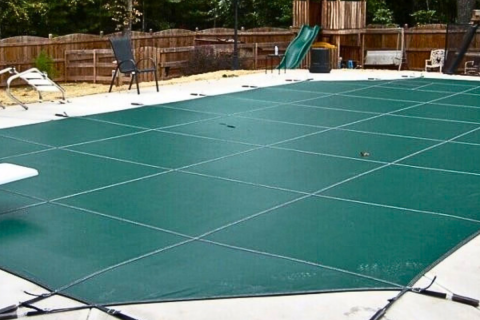
For Chicago-area homeowners, proper winterization is especially important. Protecting your pool during freezing temperatures helps reduce unnecessary stress on its components, including the liner.
Regular inspections can help you catch smaller problems before they become more serious.
Why Is Fall or Winter a Good Time to Plan Pool Liner Replacement?
Fall and winter are ideal for planning a liner replacement because your pool is no longer being used regularly, and you have time to prepare before the spring rush.
That doesn’t necessarily mean the liner should be installed during freezing weather. Actual installation depends on temperature, site conditions, and manufacturer requirements.
However, much of the planning can happen well before installation day.
During the off-season, you can review your pool’s condition, explore liner patterns, discuss measurements, and coordinate a replacement schedule.
Instead of waiting until you’re ready to open the pool, you’ll already have a plan in place.
Can a New Pool Liner Change the Look of Your Backyard?
Absolutely. A new liner can make a surprisingly big difference in how an existing pool looks.
Liner patterns, colors, and finishes influence the appearance of the water and the overall feel of the backyard.
For example, a lighter blue liner can create a bright, classic swimming pool appearance, while darker patterns may give the water a deeper, richer look.
Replacing a faded or worn liner also gives the pool a cleaner, more finished appearance without requiring a complete renovation.
If you’re considering other improvements, such as lighting or equipment upgrades, planning them together may help streamline the process.
Explore All Seasons Pools & Spas’ pool liner replacement services to learn more about refreshing your existing inground pool.
Should You Repair or Replace an Aging Pool Liner?
The right choice depends on the liner’s age, condition, and the type of damage.
A relatively new liner with one small, accessible tear may be a good candidate for repair. An older liner with multiple weak areas, significant fading, and recurring leaks may be better suited for replacement.
It’s also worth considering whether a repair will provide a lasting solution.
If the vinyl has lost flexibility, fixing one damaged section doesn’t necessarily prevent another section from failing later.
A professional inspection can help determine whether repairing the liner is worthwhile or whether replacement would be the better investment.
Frequently Asked Questions About Pool Liner Replacement
How long do vinyl pool liners typically last?
Most inground vinyl pool liners last approximately 8 to 12 years. Their actual lifespan depends on water chemistry, maintenance, installation quality, sunlight exposure, and overall use.
Can I replace my pool liner during winter in Illinois?
Planning, selecting a liner, and coordinating measurements can often happen during winter. Installation generally requires suitable temperatures and site conditions, so the actual replacement may need to wait until warmer weather.
Is a faded pool liner a sign it needs replacement?
Fading can be a sign of aging, but it doesn’t always require immediate replacement. If fading is accompanied by brittleness, wrinkles, tears, or leaks, it’s worth having the liner inspected.
Can a leaking pool liner be repaired?
Some small tears or punctures can be repaired, particularly when the liner is still relatively new and flexible. Older liners with widespread deterioration may be better candidates for replacement.
When should I schedule my pool liner replacement?
It’s smart to begin planning during fall or winter if you want your pool ready for the next swimming season. Starting early gives you more time to choose a liner and coordinate installation before spring demand increases.
Beat the Spring Rush With a Winter Consultation
If your liner was showing signs of wear this summer, there’s no reason to wait until opening season to start thinking about replacement.
Fall and winter give you time to explore your options, review your pool’s condition, and plan ahead for warmer weather.
All Seasons Pools & Spas helps homeowners throughout Orland Park and the surrounding Chicago suburbs refresh their inground pools with professional liner replacement.
Beat the spring rush. Book your winter liner consultation and start planning for next season.

Pool liner replacement cost for an inground pool often falls in the range of approximately $3,000 to $7,500 or more, including materials and…
Proper pool winterization involves more than putting on a cover and waiting for spring. A professional inground pool closing typically includes…